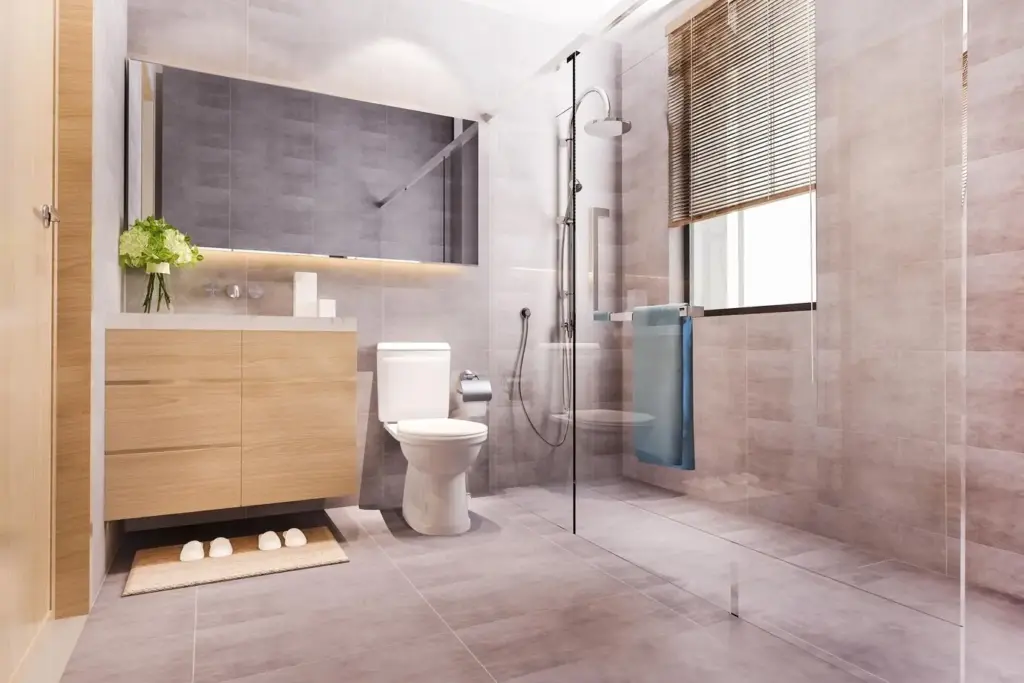
Rise Above: Living Large with Smart Vertical Design

We’re exploring Ceiling-Height Cabinetry and Loft Platforms for Vertical Space Gains, turning overlooked cubic volume into storage that actually serves you and elevated spaces that feel welcoming. Discover measurement tricks, structural must‑knows, lighting strategies, and ergonomic solutions, plus relatable stories and practical checklists. Ask questions, share photos of your ceilings, and join the conversation as we show how thoughtful decisions can make your home feel taller, calmer, and far more capable.

Start with Space, Structure, and Strategy

Before ordering tall cabinets or sketching a loft, map your room’s realities. Ceiling flatness, joist direction, headroom, window heights, and door swings quietly dictate what’s possible. A patient survey prevents costly do‑overs and reveals hidden opportunities, like slimmer depths near doors or an integrated ladder rail along a long wall. Capture everything in a scaled plan, then phase decisions to protect your budget and peace of mind.

Tall Cabinets that Work Hard and Look Light

Ceiling‑height cabinetry multiplies capacity without enlarging footprints, but it must stay graceful. Balance door styles, proportions, and shadow lines to avoid heaviness. Use lift‑up or pocket doors where swing space is tight, and specify finished tops and scribing for a seamless fit. Integrate anti‑tip anchors, seismic straps where needed, soft‑close hardware, and internal lighting so every shelf is visible and reachable with the right helpers.

Doors and Openings that Don’t Fight Gravity

Choose lift‑up, bi‑fold, or pocket solutions to keep aisles clear and elbows unbruised. Limit wide doors above shoulder height to reduce strain, and add finger pulls or discreet rails for easy grip. Consider split uppers with glass to visually lighten the top run. Continuous Euro hinges and soft‑close hardware manage forces quietly. Where daily access is rare, prioritize dust control, consistent reveals, and a ladder‑friendly handle placement.

Materials, Finishes, and the Illusion of Lightness

Slim stiles, vertical grain veneers, and satin finishes help tall cabinets feel refined rather than imposing. Lighter colors bounce light while wood accents add warmth and rhythm. Add a shallow top reveal or integrated cove to visually lift the ceiling. Use durable edge banding and high‑pressure laminates in high‑touch zones. Glass, ribbed inserts, and shadow gaps create depth, breaking up monoliths without sacrificing serious storage volume.

Building Lofts that Feel Safe, Solid, and Inviting

A welcoming loft depends on structure, headroom, access, and quietness. Select spans and beams that limit bounce, detail guardrails that feel secure yet airy, and choose stair or ladder solutions that suit daily life. Plan lighting, outlets, and data before framing. Consider acoustic isolation for sleeping lofts and cozy finishes that read like a true room. Clear code‑aware decisions ensure comfort, safety, and long‑term enjoyment overhead.

Structure and Load Paths Simplified

Think of loads traveling through joists, ledgers, connectors, and posts, finally into the floor below. Oversize spans cause flex and creaks, so choose engineered lumber or steel where needed. Confirm bearing points align with solid framing or masonry. Add blocking to distribute forces, use rated fasteners, and specify a subfloor that stiffens the platform. A quiet, firm loft feels emotionally secure and enhances sleep, focus, and relaxation.

Stairs, Ladders, and Comfortable Climbs

Match access to lifestyle and frequency. Alternating tread stairs save space, ship ladders serve occasional use, and full stairs favor everyday comfort. Provide consistent risers, deep handrails, and non‑slip treads. Leave landing space at the top for safe transitions. If kids or pets share the loft, wider treads and gentler angles build confidence. Night‑lights and motion sensors guide sleepy trips, preventing missteps in tight, vertical territories.

Light, Air, and Acoustic Comfort Up High

{{SECTION_SUBTITLE}}

Layered Lighting that Reaches the Ceiling

Blend ambient washes, precise task lights, and playful accents. Conceal LED strips atop tall cabinets to brighten the ceiling plane and visually raise height. Add dimmers to shape mood from morning coffee to midnight reading. Aim wall‑washers at textured finishes to dramatize verticality. Keep maintenance simple: specify long‑life LEDs and reachable drivers, ensuring that beauty overhead does not become a burden when bulbs eventually need attention.

Sunlight Strategies without Glare or Overheating

Use light shelves, sheer shades, or prismatic films to redirect sun deeper without harsh hotspots. If skylights or clerestories are possible, position them to avoid direct summer beams on loft mattresses. Consider reflective cabinet finishes near windows to bounce light, then control reflections with soft textures. Thoughtful solar control makes spaces bright yet gentle, supporting focused work, restful naps, and the tranquil feeling of living within lifted air.

Ergonomics, Access, and Daily Routines

Vertical success depends on bodies, not just buildings. Set everyday items between shoulder and hip height, reserve the highest shelves for rare goods, and support access with ladders, rails, or pull‑downs. Consider the shortest household member when deciding safe reaches. Provide stable stepping solutions, well‑placed grabs, and predictable routines. When motion feels easy and intuitive, tall storage becomes friendly, and elevated platforms become a natural extension of home life.

Real-World Transformations and Lessons

Stories reveal what drawings can’t. We’ve seen tiny apartments gain a dining nook beneath a sleeping loft, families reclaim countertops with floor‑to‑ceiling pantries, and artists hide bulky tools in tall, quiet cabinets. Each success follows the same arc: careful measuring, clear priorities, honest budgets, and small, thoughtful details at the top. These lived moments show how vertical decisions ripple outward, improving calm, function, and joy every single day.

Budget, Sustainability, and Phased Upgrades
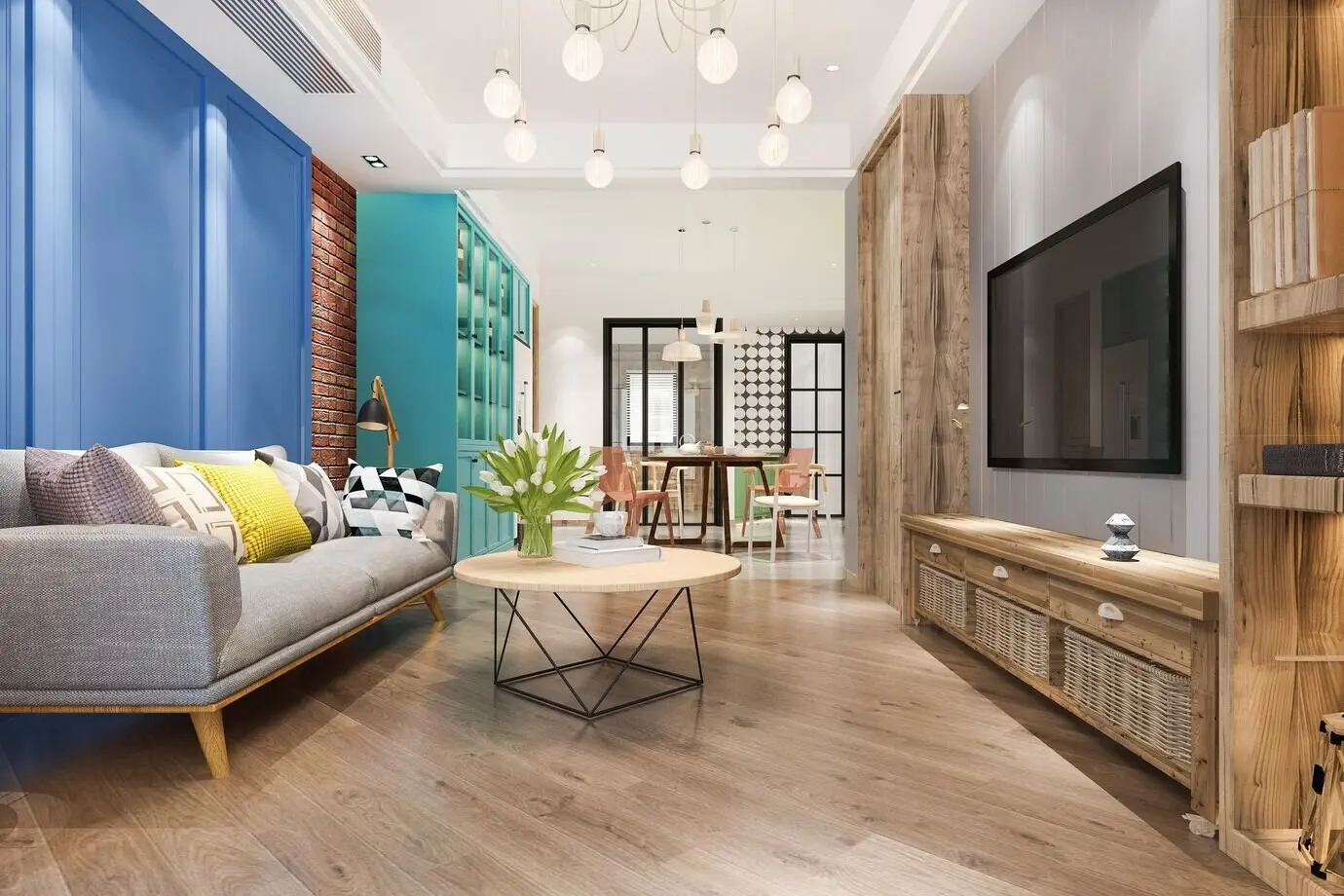
Costs hinge on spans, materials, hardware, and finish quality. Start with a durable skeleton and add premium touches over time. Choose FSC‑certified plywood, low‑VOC finishes, and reclaimed timbers where possible. Detail for disassembly so future changes are easy. Energy‑wise, lofts can capture warmth and insulate below if ventilation is planned. Smart sequencing protects cash flow while elevating daily life, proving that vertical ambitions and responsible choices can coexist.

DIY, Pros, and Paperwork

Some tasks reward careful homeowners; others demand licensed hands. Painting, assembling boxes, and installing simple rails can be DIY. Structural lofts, electrical runs, and complex stairs merit professionals and permits. Clear drawings, load notes, and product cut sheets make approvals smoother. A realistic timeline and tidy jobsite protect sanity. With good communication and shared expectations, your build climbs steadily, trading uncertainty for the quiet confidence of work done right.
Fovutoxoritozumeto
Privacy Overview

This website uses cookies so that we can provide you with the best user experience possible. Cookie information is stored in your browser and performs functions such as recognising you when you return to our website and helping our team to understand which sections of the website you find most interesting and useful.