Sleep, Work, Repeat: The Art of Disappearing Furniture

Today we dive into convertible built-in beds and desks for flexible studios, celebrating the brilliant choreography that lets one room perform double duty without feeling cramped or compromised. We’ll explore how smart mechanisms, thoughtful planning, and tactile materials create a seamless shift from productive focus to restorative sleep. Expect practical guidance, cozy design ideas, and hard-won lessons from tiny spaces that live larger than their square footage. Whether you’re outfitting a micro-loft, a student nest, or a pied-à-terre, you’ll find strategies to reclaim floor area, protect ergonomics, and keep cables, bedding, and daily life in elegant, reliable order.

Space Planning That Moves With You

{{SECTION_SUBTITLE}}

Measure the Transformation Arc
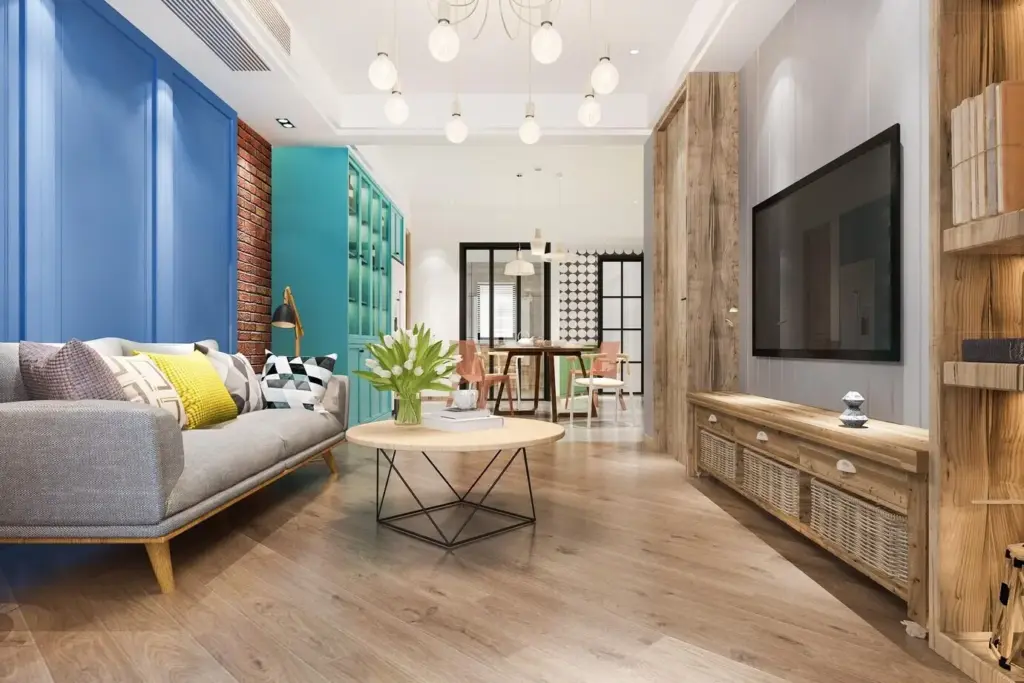
Trace the exact arc of the bed and desk before building, using tape on the floor and blue painter’s tape on walls to visualize corners, handles, and hinges. Allow generous clearance for bedding fluff and mattress thickness. Remember head and toe zones, not just rigid dimensions. If the desk stays level while the bed pivots, confirm the arc won’t collide with lamps, monitors, or speakers. A few extra centimeters of clearance can prevent years of scuffs, snags, and hurried compromises.

Zoning Morning-to-Midnight

Anchor the workstation zone with a durable rug that defines chair glide and cable reach, keeping it distinct from the sleep area. Place an ottoman or storage bench where it can serve as both footrest and nighttime bedside. Keep a slim side shelf within arm’s reach when the bed is down, without intruding during work hours. If you co-work or invite friends, allow a social nook that becomes a quiet reading corner once the mattress drops. Zones should rotate purpose without friction.

Counterbalance 101

A well-calibrated counterbalance makes a wall bed feel weightless and predictable, whether using torsion springs or gas struts. Match the mechanism to the mattress and panel weight, not rough guesses. Heavier finishes and storage headboards can shift the balance, so weigh real components during mock-ups. Look for adjustable tension so you can fine-tune after bedding changes. When done right, lifting requires one hand, lowering never slams, and the piece becomes an everyday joy rather than a chore.

Quiet, Safe, and Smooth

Silence is part of luxury in a small home. Choose high-quality bushings, precision bearings, and hinges that avoid squeaks. Add felt pads at impact points and specify rubber bumpers behind handles. Safety interlocks can prevent the desk from moving when the bed drops, and vice versa. Integrated stops keep fingers away from pinch zones. If your system includes lighting, route wires through protective grommets and strain reliefs, ensuring neither friction nor kinks build over thousands of transformations.

Future-Proof Hardware

Even excellent systems need care. Favor manufacturers who publish service guides, sell spare pistons and springs, and provide adjustment documentation. Keep a maintenance calendar to check fasteners, lubricate moving parts, and verify alignments. If tech is integrated—like soft-start lighting or occupancy sensors—select modular components you can swap as standards evolve. A design that welcomes future upgrades preserves value, keeps the experience delightful, and avoids landfill-bound, one-way furniture destined for frustration.

Mechanisms That Make Magic Look Effortless

Great convertible furniture hides serious engineering. Counterbalances, gas pistons, or spring systems do the heavy lifting so you don’t have to. Properly tuned hardware keeps a desk level while the bed pivots, enabling a laptop to remain undisturbed. Soft-close hinges prevent abrupt jolts that stress fasteners and finishes. Hardware selection is not just about feel; it affects long-term safety, noise, and maintenance cadence. Invest in mechanisms with published load ratings, documented cycle testing, and replacement-part availability.

Built-In Craft: Materials, Finishes, and Durability

Consider furniture-grade plywood for screw-holding and dimensional stability, especially where hinges and brackets mount. MDF can work for flat, painted surfaces if edges are sealed carefully. Combine solid wood rails where impact occurs with lighter composite panels elsewhere to control weight. Ask for moisture-resistant cores in humid climates. Use proper pilot holes and confirm torque settings during assembly. A smart hybrid approach balances cost, durability, and the satisfying feel of a door or panel that shuts with confidence.
Every deployment is a stress test for coatings. Durable lacquers, catalyzed finishes, and quality laminates resist abrasion when folds, slides, and pivots happen daily. Satin sheens hide fingerprints better than gloss, while textured laminates disguise micro-scratches. Guard edges with robust banding and select pulls that protect corners from knocks. Where hands land repeatedly, consider wrapped metal trims. Choose materials you can clean with mild soap and water, avoiding fussy care regimes that break routines and invite neglect.
Sustainability shows up in small decisions: low-formaldehyde cores, waterborne finishes, and hardware designed for long life. Specify LED task lights that sip power and last years. Design for disassembly so parts can be repaired or recycled. Ventilation slats in mattress platforms reduce moisture and mold risk, extending comfort and health. Choosing materials with certificates or transparent sourcing adds confidence. Durable beauty keeps furniture out of landfills and ensures your compact home remains a healthy, welcoming retreat.

Ergonomics, Sleep Quality, and Daily Wellbeing

Comfort is the reason these systems succeed. Desk heights around 28 to 30 inches suit most adults; adjustable chairs relieve pressure during long sessions. Keep monitor centers near eye level and wrists neutral. For sleep, prioritize mattress breathability and a supportive base, especially when folded vertically. Good ventilation, blackout options, and warm-to-cool lighting transitions cue circadian rhythms. When the changeover feels effortless, your brain shifts modes smoothly, protecting posture by day and deep rest by night.

Power, Data, and Cable Discipline

Technology can vanish as gracefully as the bed. Plan power where you need it in both modes: pop-up outlets, recessed strips with surge protection, and USB-C ports near reach points. Cable channels, magnetic clips, and fabric sleeves keep lines supple and quiet through movement. Use strain reliefs where hinges pivot. If you stream or game, position the router for robust signal in both layouts. Label cords, color-code adapters, and create one tidy docking point that never tangles.

Installation, Safety, and Code Confidence

A reliable installation is invisible yet vital. Anchor into structural studs or masonry with rated fasteners, never hollow anchors alone. Confirm wall flatness and shim cabinets for square, quiet operation. Respect egress rules so beds never block exits. Child-safe latches, anti-tip feet, and soft edges reduce risk. Test the full cycle with real bedding and devices. Keep a log of torque checks and mechanism tuning. When the bones are trustworthy, the transformation becomes a soothing daily ritual.

Anchoring That You Can Trust

Find studs with a reliable detector and verify with pilot holes where permissible. Use structural screws or lag bolts sized for the load, with wide washers to distribute pressure. In masonry, choose expansion anchors rated for shear and pull-out. Pre-drill clean holes and vacuum dust for secure set. Tighten hardware in stages, rechecking alignment as you go. If rental rules limit modifications, consider freestanding frames that brace at floor and ceiling using compression posts engineered for dynamic loads.

Interlocks, Latches, and Kid-Safe Thinking

Design so curious hands cannot trigger movement unexpectedly. Mechanical interlocks can require two-step actions, preventing accidental lowers. Soft-closing dampers protect fingers near hinges. Use rounded pulls and generous reveal gaps where hands might rest. If pets roam, eliminate dangling cords and tidy straps. Teach guests the sequence with a friendly sticker diagram inside a cabinet door. Safety is not an afterthought; it’s the invisible hospitality that lets every visitor feel secure and welcomed.

Real-World Stories and Small Wins

Seeing these systems in action builds confidence. A 290-square-foot apartment became two distinct lives in one: a daylight studio with a quiet workstation, and a nighttime sanctuary with soft textures and hush. The owner stopped procrastinating the changeover because it took under thirty seconds. A couple added a violin corner without sacrificing dinner seating. Small wins compound, creating a home that rises to greet you, then gently disappears when it’s time to rest or dream.
Fovutoxoritozumeto
Privacy Overview

This website uses cookies so that we can provide you with the best user experience possible. Cookie information is stored in your browser and performs functions such as recognising you when you return to our website and helping our team to understand which sections of the website you find most interesting and useful.